
June 26, 2026
Organizations Learn When Experience Becomes Usable
Experience alone does not teach an organization very much. It becomes useful when people interpret, preserve, review, and use what has been learned.
Library
June 26, 2026
Experience alone does not teach an organization very much. It becomes useful when people interpret, preserve, review, and use what has been learned.

June 12, 2026
Continuity is not merely a transition problem. It is an ongoing responsibility to preserve knowledge in usable form over time.

May 29, 2026
Every organization has people who quietly hold things together. The question is what happens when too much of the work lives only in someone’s head.

May 15, 2026
Most organizations begin with a clear sense of purpose. The real test comes later, when daily work has to keep carrying what the mission means.

May 1, 2026
Institutions develop a way of working, whether anyone names it or not. It shows up in ordinary places: how decisions get made, how people communicate, what leaders repeat, what staff members assume, what volunteers are expected to understand, what gets written down, and what everyone just seems to know after

April 17, 2026
Many companies use tools that are almost right. They are useful enough to keep. They solve part of the problem. They help people communicate, schedule, publish, organize information, manage tasks, collect registrations, track projects, or keep the work moving in some other practical way. So the organization continues using them,
April 3, 2026
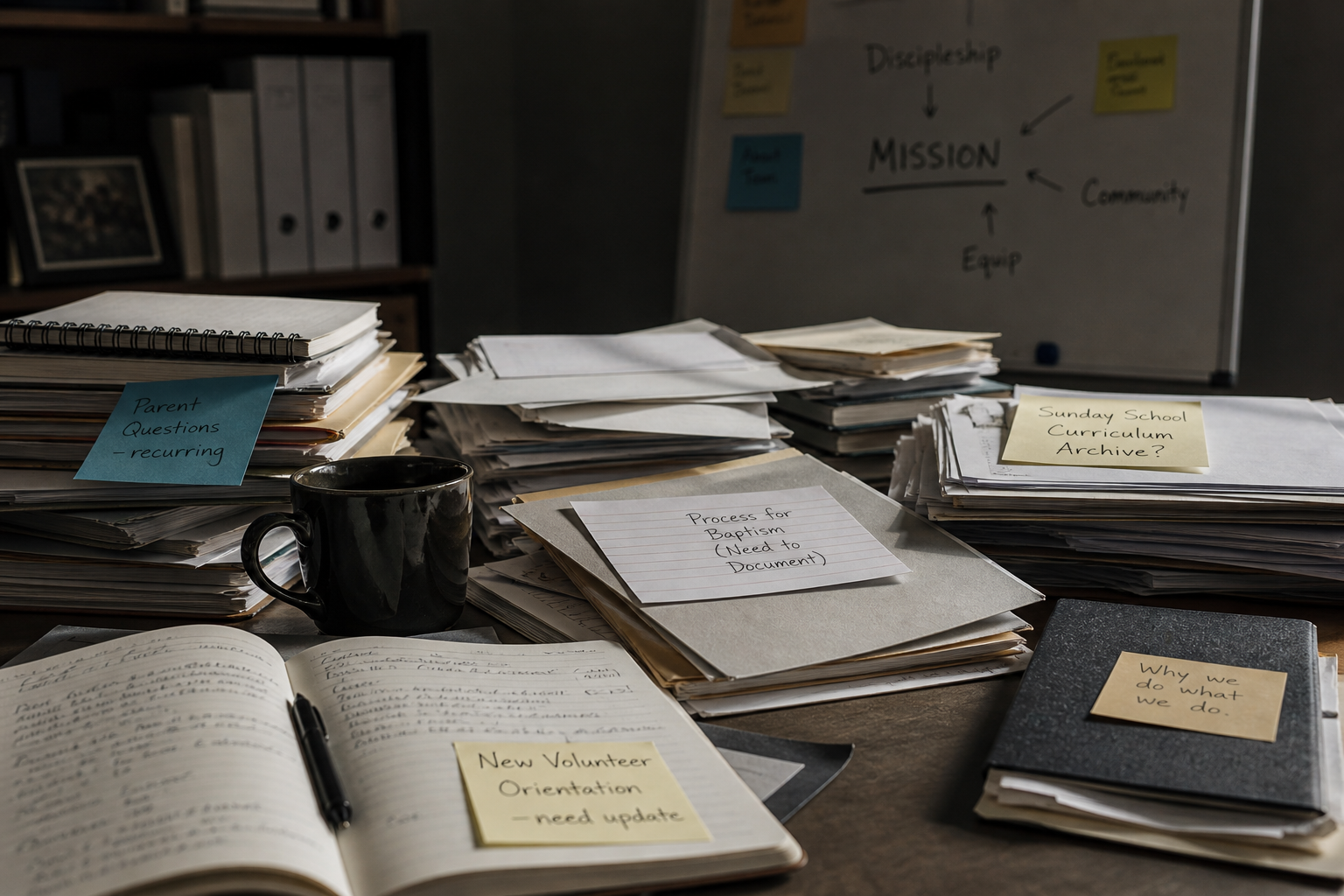
Your organization has a kind of memory. Some of it is easy to see. It lives in handbooks, policies, meeting notes, training materials, old emails, curriculum guides, sermons, parent letters, staff documents, and shared folders. Some of it is harder to see because it lives in people: the administrator who

March 20, 2026
Churches, schools, organizations, and businesses do not break because people stop caring. More often, the people care a great deal. They work hard, remember details that were never written down, answer messages they probably should have left until morning, and patch holes in the process because someone has to keep
March 13, 2026
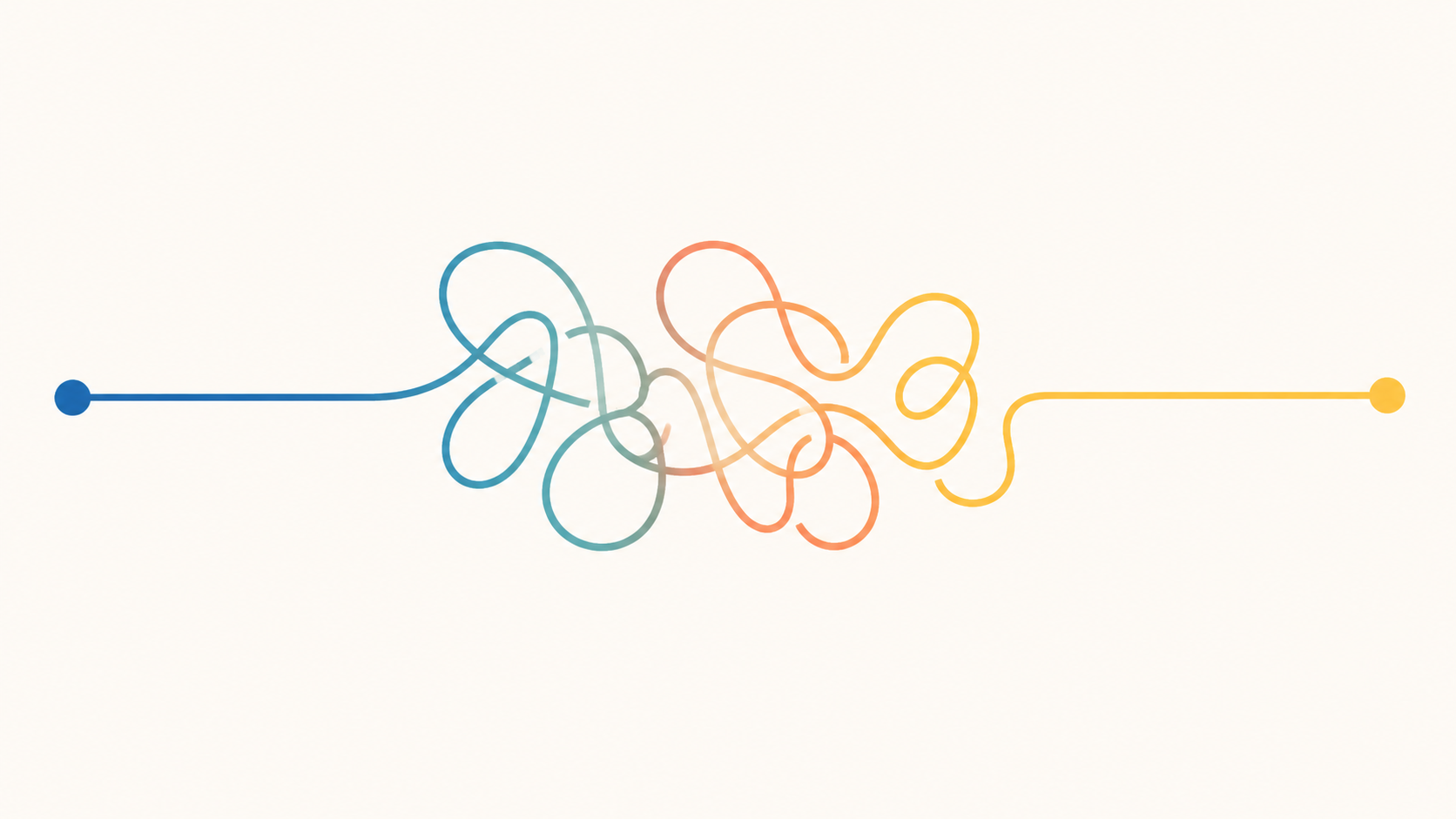
Most organizations are not short on ideas. Someone sees a better way to train volunteers, welcome new people, support families, serve customers, organize staff, use technology, explain a service, or make a painful process less painful. The idea may be thoughtful and needed. It may even have broad agreement from

February 27, 2026
For a long time, doing more required more: more people, more hours, more money, more specialized skill, and more time between the first thought and the finished thing. A school with a good idea still needed someone who could explain it well. A church with years of teaching still needed

February 13, 2026
Good ideas often begin in rooms where they make sense. A few leaders have been talking for months, sometimes years. They know the history behind the idea, the problems it is trying to solve, the options that were considered, and the reasons one path was chosen over another. They have
January 30, 2026
Most people do not decide whether they trust an organization during the moment when trust is most obviously needed. By the time a family is deciding whether to enroll, a client is deciding whether to sign, a donor is deciding whether to give, a volunteer is deciding whether to serve,

January 16, 2026
For most of the digital era, organizations have lived with an awkward bargain. They understood their own work better than anyone else. They knew their people, their habits, their exceptions, their history, their pressures, their language, and the thousand small decisions that make the organization actually function. But they usually